Scaling The World: First Quarter Recap
Quarter one was not just busy. It was clarifying. Nearly 2,000 miles, multiple cities, student-centered spaces, policy conversations, and community tables later, one thing is clear: the future will belong to those willing to build across education, workforce, and community.
As I close out the first quarter of the year, I am reflecting on a season full of movement, learning, and purpose. My second year as a doctoral student continues to deepen how I think about education policy, community engagement, and workforce development. From January through March, the work kept revealing the same truth: lasting impact takes collaboration.
Building Arkansas’s talent pipeline
At the University of Arkansas Bumpers College of Agriculture, Food, and Life Sciences, I spent 10 weeks working alongside institutional leaders and fellow Ph.D. cohort members to strengthen our skills in developing competitive grant proposals.
Together, we supported a USDA-NIFA AFRI REEU proposal focused on creating summer internship opportunities for Arkansas Borlaug Scholars and students attending two-year and four-year agriculture colleges and universities across the state.
This work reinforced the power of experiential learning to build technical skills, cultural competence, and professional networks while preparing students for careers in Extension, research, industry, and community-based leadership. I am grateful to have contributed to a proposal centered on strengthening Arkansas’s talent pipeline and advancing resilient food systems through partnership and innovation.
Volunteerism with a purpose
This quarter also reminded me that service matters most when it creates space for people to belong.
Through volunteer leadership, I had the opportunity to help support spaces where Arkansas’s young professionals could build community, connect across industries, and find a stronger sense of place. Over two days, I assisted with event setup, supported panelists, and helped create an environment where meaningful conversations could happen. Just as important, I built community alongside fellow volunteers and the YP Summit leadership team.
Why YP Summit matters
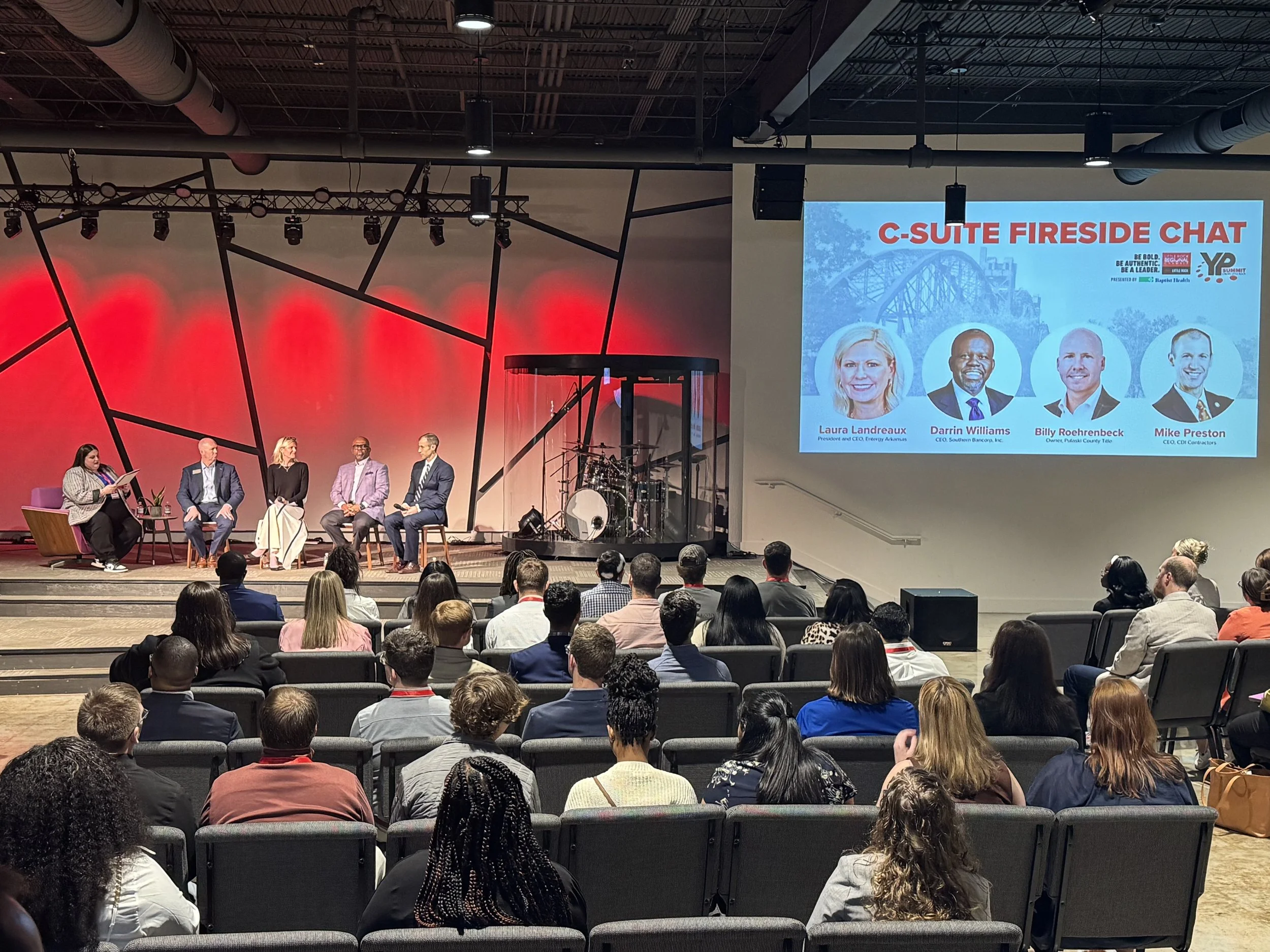
C-Suite Fireside Chat panelist at YP Summit.
We have all seen it before: a recent college graduate lands the interview, secures the job, and then faces the next real challenge, building community.
That is why the Little Rock Regional Chamber’s YP Summitmatters. Designed for young professionals seeking opportunity through community and industry, the annual conference brings together keynote speakers, executives, and community leaders committed to building a stronger Arkansas.
With more than 400 young professionals in attendance, the summit created space for connection, reflection, and practical leadership insight. One standout session was the C-Suite Fireside Chat: If We Were 25 Again: Career Advice We’d Actually Follow, moderated by Whitney Burgess Scales, Vice President of Marketing and Strategy at mhp.si.
Featuring Laura Landreaux, Darrin Williams, Billy Roehrenbeck, and Mike Preston, the conversation challenged emerging leaders to think differently about risk, growth, and success. The takeaway was clear: networking is vital, growth requires discomfort, and the path to leadership is rarely linear.
In a moment when many young professionals are searching for both opportunity and belonging, YP Summit offered more than inspiration. It offered perspective, community, and a reminder that leadership is built one decision, one relationship, and one stretch opportunity at a time.
Betting on the next generation at EASTCON
EASTCON 2026 was another powerful reminder that Arkansas students are already shaping the future.
As one of the state’s largest student engagement conferences, EAST Initiative brings together elementary, middle, and high school students to showcase research, innovation, and service-driven learning. Over 3,200 attendees gathered in Hot Springs for a week centered on student leadership, creativity, and problem-solving.
I am honored to serve on the board of directors, and this experience reinforced how important it is to show up, encourage students, and connect with staff and industry partners. Every school, student, and educator is navigating different challenges, but the commitment to innovation remains strong.
What I know for sure is this: I am betting on our youth.
Leadership development through MANRRS
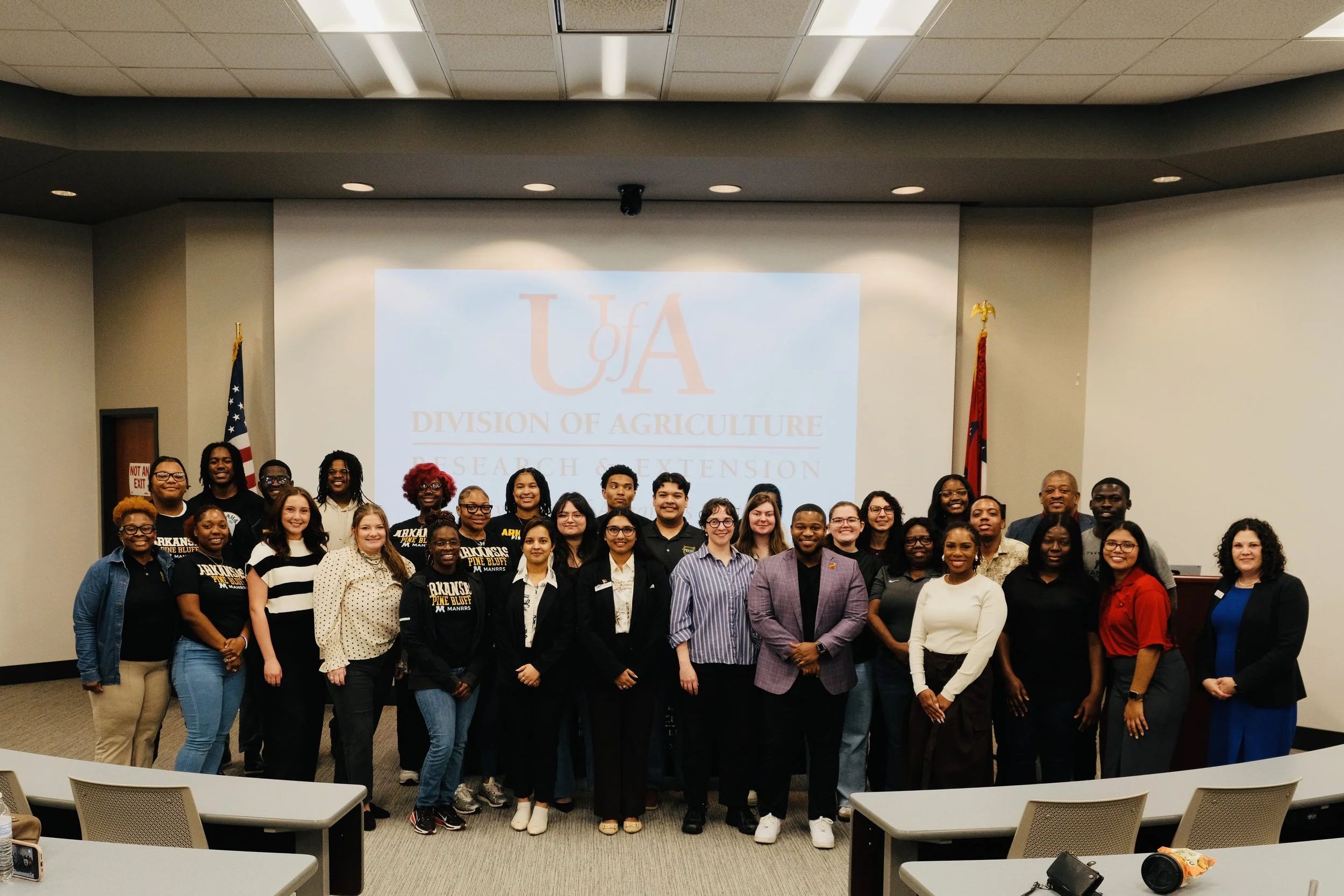
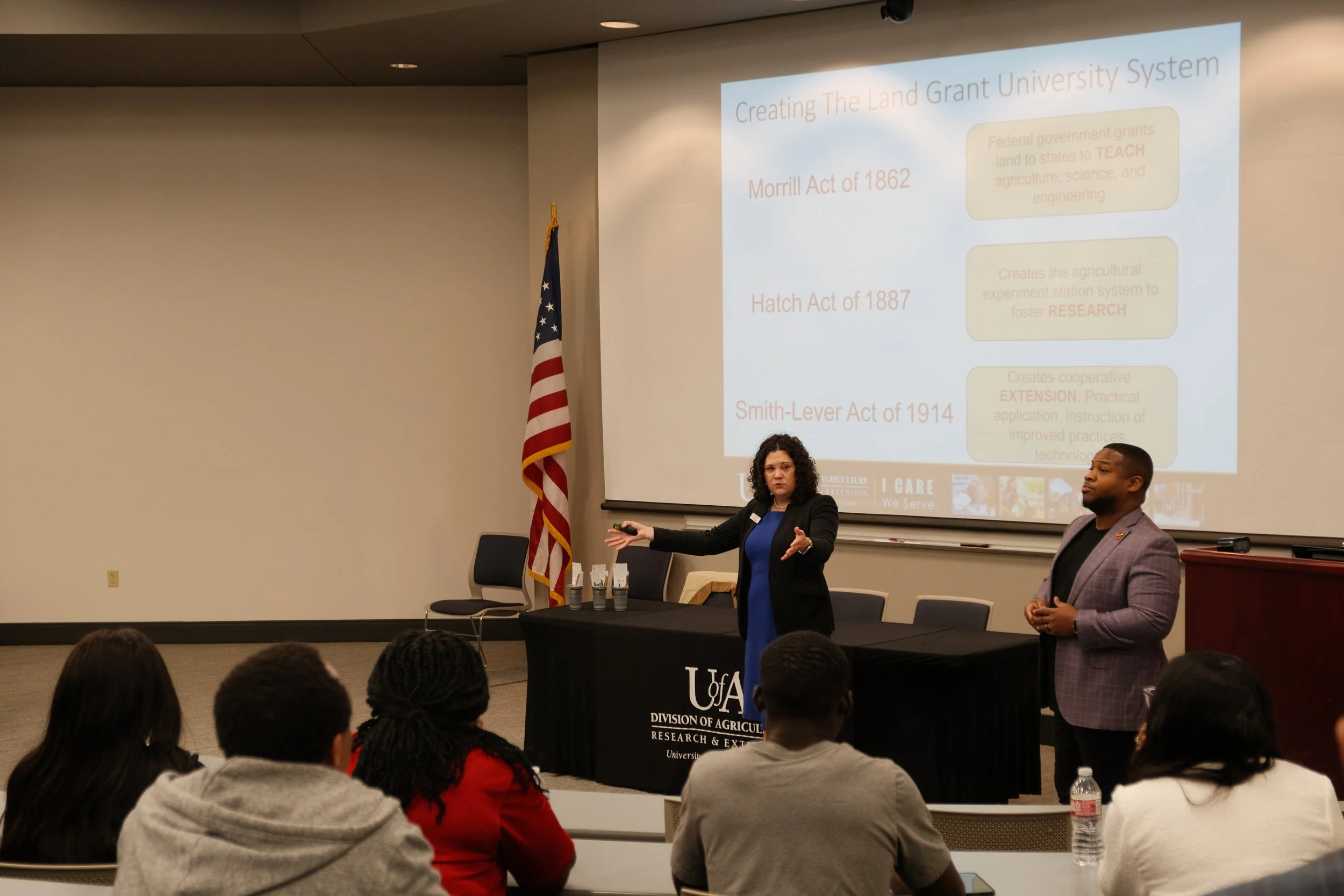
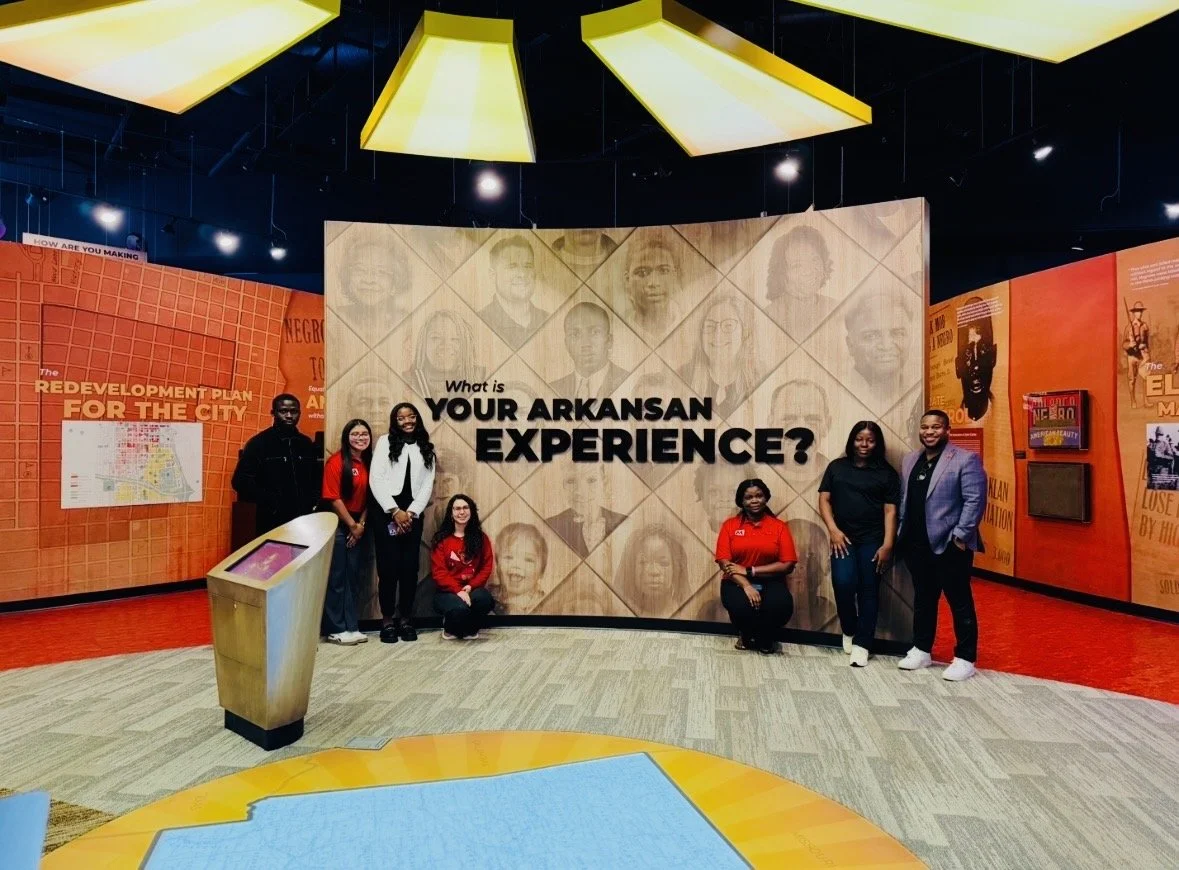
Nearly 40 collegiate students converged on Little Rock from four institutions to learn more about the work of the University of Arkansas Division of Agriculture and the urgent need for our land-grant institutions to continue developing the next generation of agricultural leaders, leaders who will be called on to solve the grand challenges of food, fiber, and innovation.
As co-advisors for UA MANRRS alongside Dr. Isabel Whitehead-Adams, and partners University of Arkansas Pine Bluff, Arkansas State, and Arkansas Tech, we are committed to making sure students understand the broader landscape of agriculture beyond campus. Experiential learning and self-reflection are essential to creating many of our opportunities that reduce barriers to high-quality, hands-on learning.
Through this experience, students strengthened critical thinking skills, expanded their networks, explored collaborative research ideas, and participated in industry tours. They engaged in a panel conversation with Ray Partridge, City of Little Rock Office of Sustainability Educator, and Candice Bailey of the American Heart Association Young Professionals Network and Farm to Table Initiative.
They also learned from two invaluable leaders from the University of Arkansas Division of Agriculture: Dr. Ron Rainey, Assistant Vice President, Professor, and Director of the Southern Risk Management Education Center, and Dr. Julie Robinson, Associate Professor and LeadAR Program Director. Both continue to shape agriculture through strategic leadership, farmer support, and the development of next-generation leadership programs.
We also visited the Mosaic Templars Cultural Center so students could better understand its mission to preserve, interpret, and celebrate African American history and culture in Arkansas. That mattered. Leadership development must also include cultural understanding, historical awareness, and place-based learning.
Food insecurity, innovation, and public service
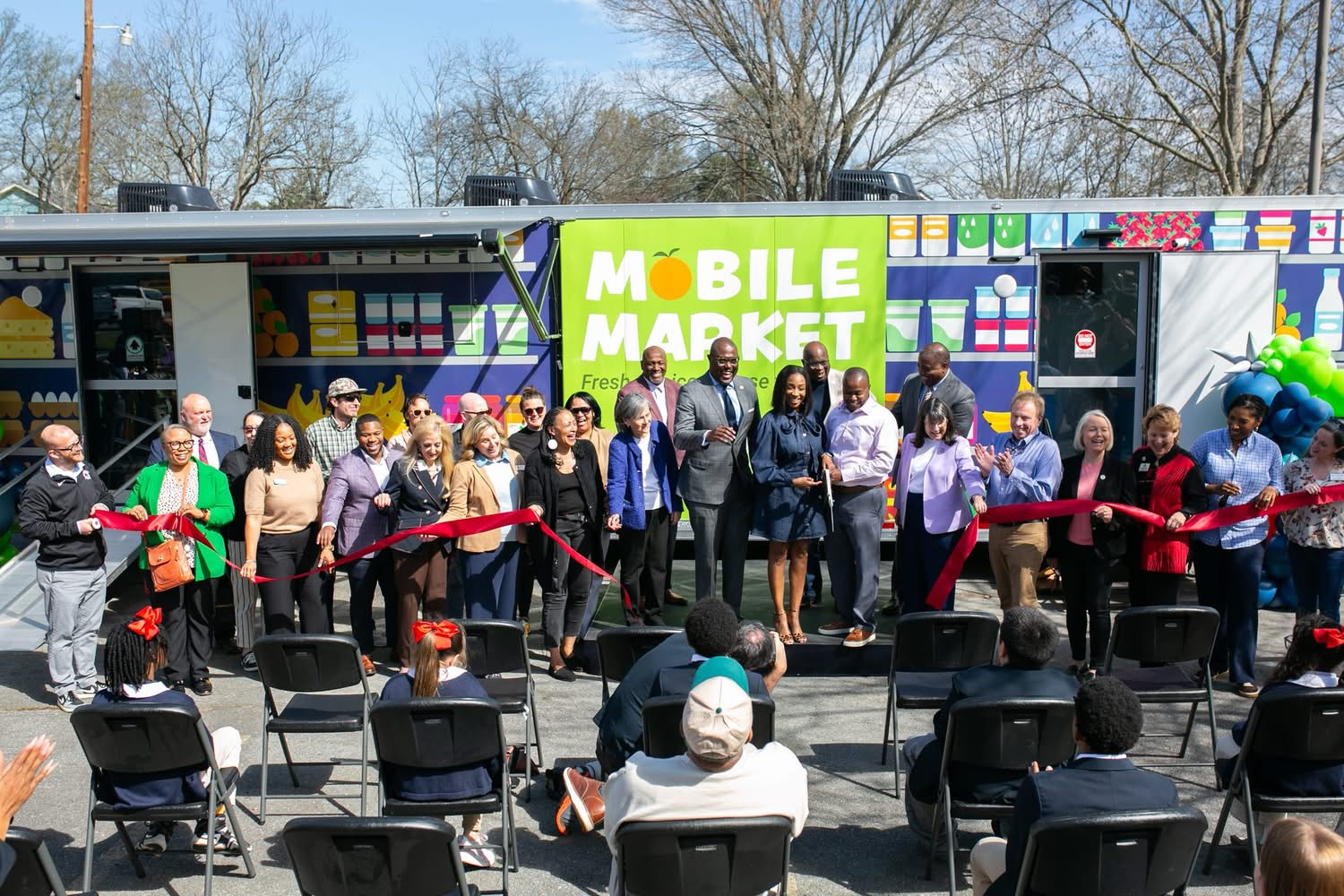
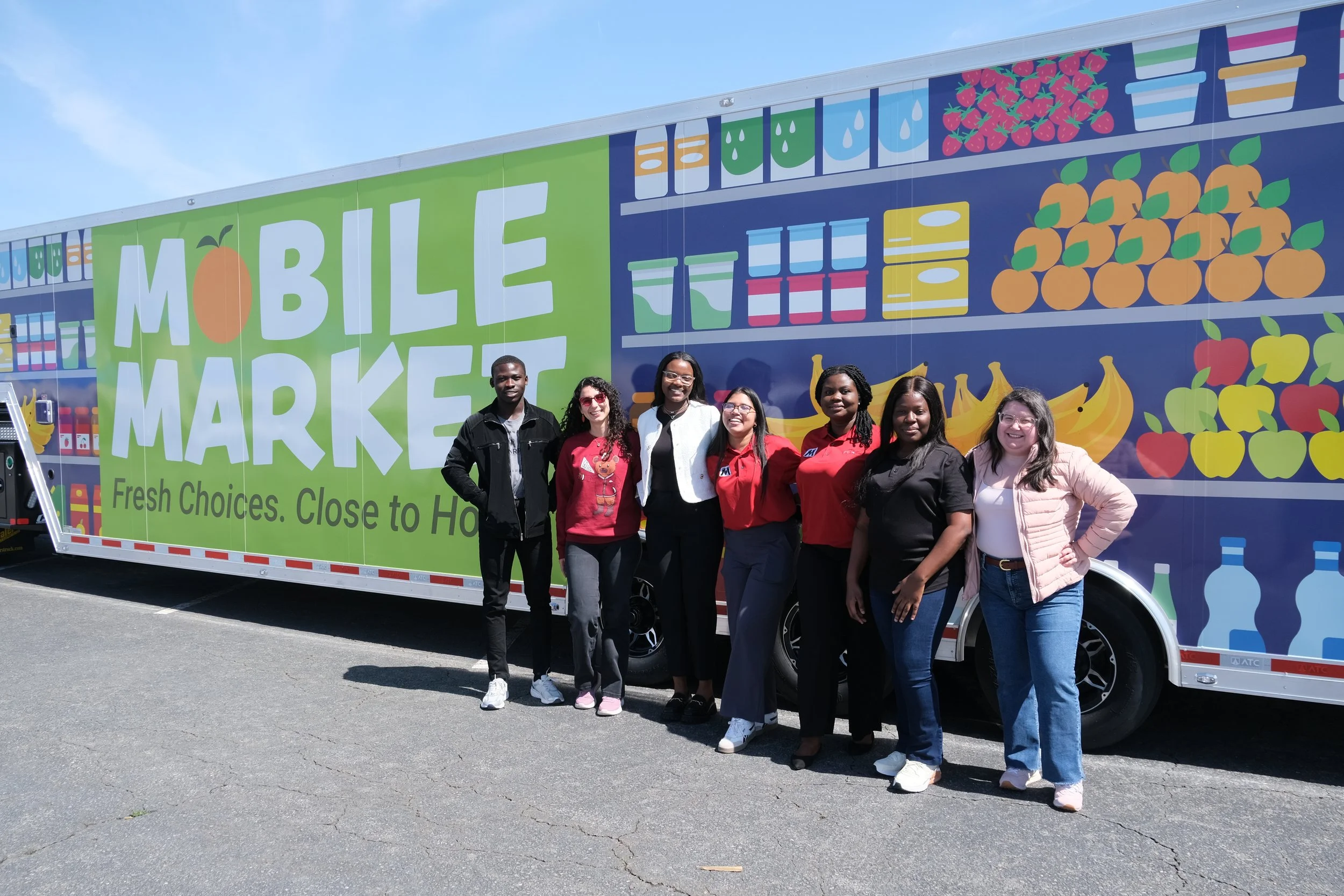
City of Little Rock mobile market ribbon cutting
Public service has always mattered to me, and so has understanding how local government can create lasting community impact through civic engagement. As a food commissioner, I have been tasked with helping address food insecurity and child nutrition, work that requires collaboration across city government, community partnerships, strategic planning, policy navigation, fundraising, and many other essential, often invisible responsibilities.
Little Rock’s new Mobile Market is a strong example of what collective community engagement, innovation, and agricultural leadership can look like in practice. It is more than a grocery store on wheels. It is a community-centered response to food access challenges and a tangible example of how policy, education, and partnership can work together to strengthen neighborhoods.
Under the guidance of the University District Development Corporation, the Mobile Market is designed to increase access to fresh, healthy, and affordable food in Little Rock by bringing groceries directly into communities. That includes lean meats, canned goods, packaged foods, dairy products, whole grains, and frozen foods.
By serving neighborhoods and community partners across Wards 1, 2, 6, and 7, the initiative is helping expand access while empowering residents to make informed dietary choices. Serving on the City of Little Rock Food Commission is an opportunity to help shape stronger, healthier, and more equitable food systems for our community.
Stay connected and learn more here: Little Rock Mobile Market
Women’s History Month and honest leadership
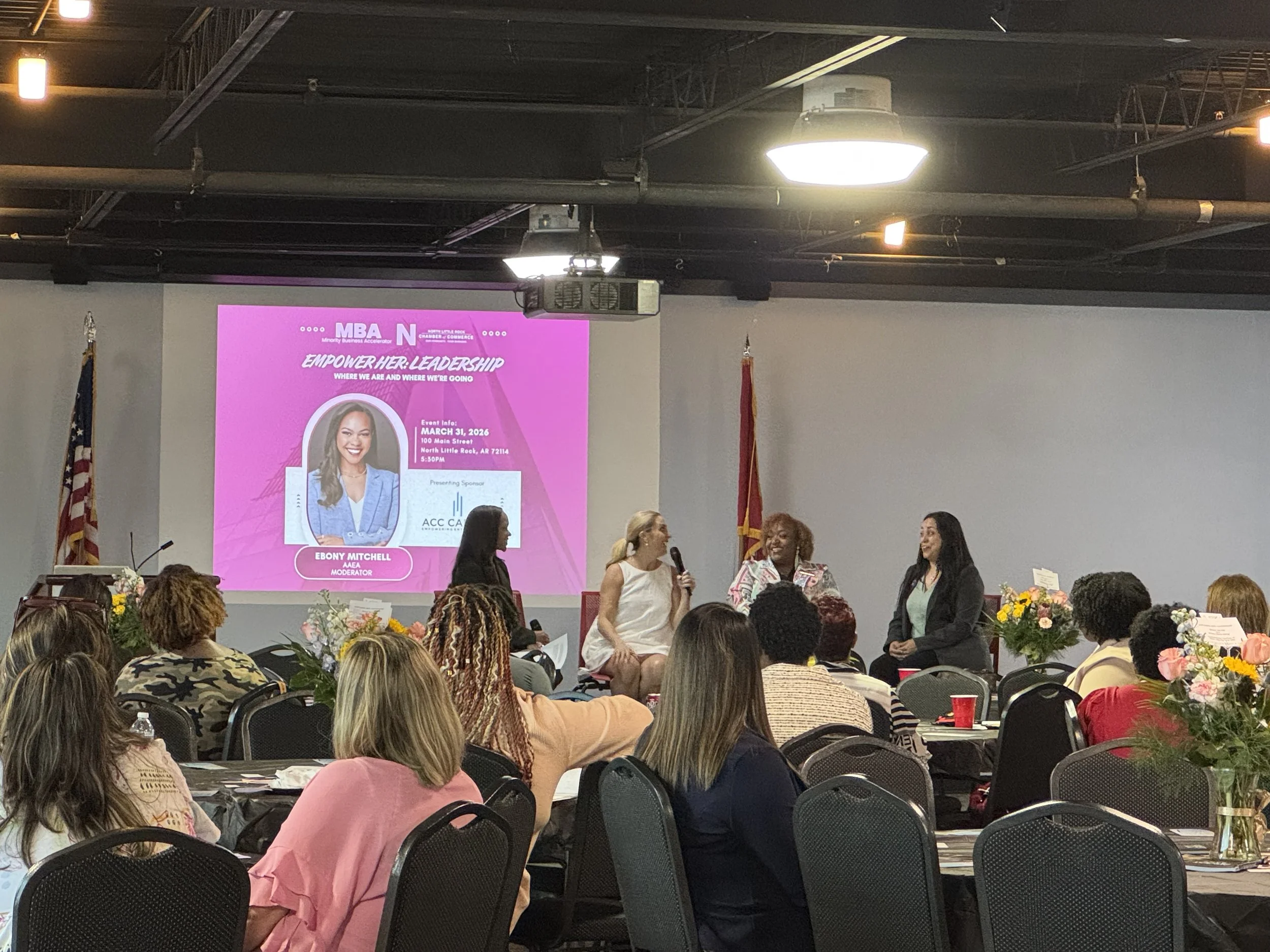
EmpowerHer Leadership panelist
Leadership, honesty, and community
The North Little Rock Chamber of Commerce’s EmpowerHER: Leadership: Where We Are and Where We’re Going created space for an honest conversation about what it means to lead as a woman in today’s professional landscape.
Moderated by Ebony Mitchell, the panel featured Faviola Alba of Arvest Bank, Anna Beth Gorman of the Women’s Foundation of Arkansas, and Dr. Shaneil Ealy of the Women’s Leadership Network. Each offered thoughtful perspective on the progress that has been made, the barriers that remain, and the kind of leadership needed moving forward.
Across business, philanthropy, finance, and community impact, several themes stood out clearly: keep your receipts, find community, navigate leadership as a woman, and overcome imposter syndrome.
More than a panel, the conversation served as a practical reminder that leadership is not only about titles. It is about confidence, credibility, resilience, and strong support systems. The panelists reinforced the importance of documenting your work, owning your accomplishments, building meaningful networks, and pushing past self-doubt in spaces where women are still too often expected to prove themselves twice.
Hosted in connection with the North Little Rock Chamber’s Minority Business Accelerator, the event reflected a broader commitment to strengthening leadership pathways and creating space for women to lead with clarity, courage, and community.
Keep Scaling
When it was all said and done, nearly 2,000 miles later, I came away even more grounded in the work taking place during such a pivotal time in our country.
The work was the focus.
At the center of that work was education and community.
We still have a long way to go. But moving forward will require a village, cross-sector collaboration, and people willing to stay committed to building what comes next.
Keep Scaling.